

Building a home can be an exciting yet costly endeavor. However, with careful planning and smart design strategies, you can significantly reduce building expenses without sacrificing quality. This article will walk you through seven practical strategies to ensure your dream home is both beautiful and budget-friendly.
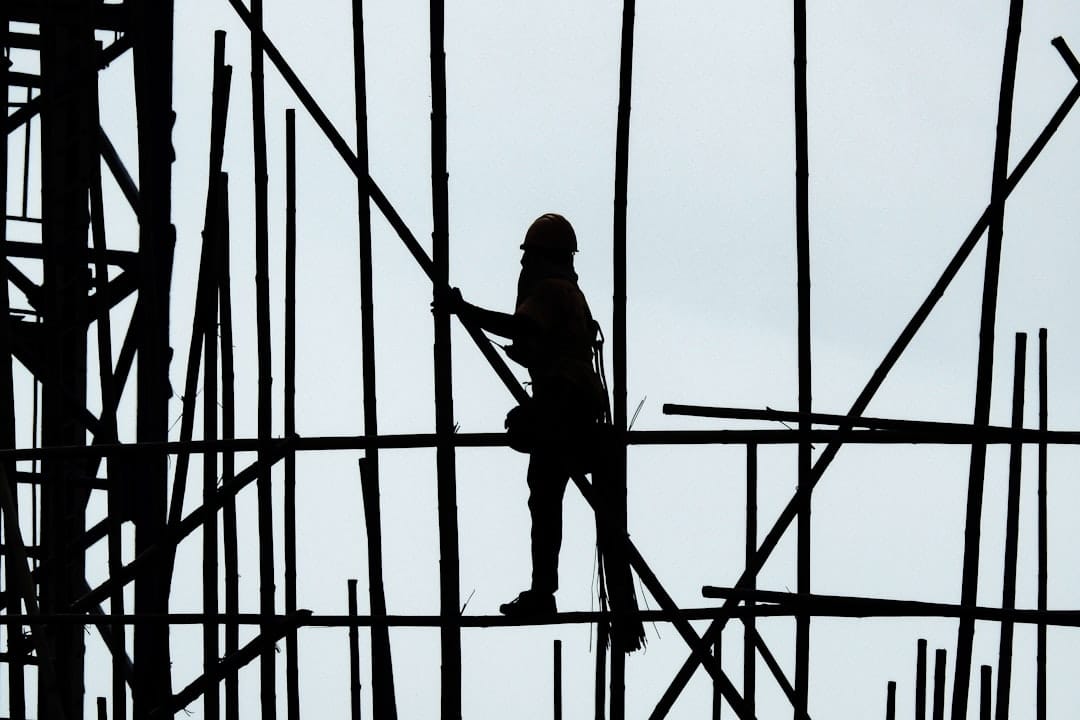
by Thomas Kinto (https://unsplash.com/@thomaskinto)
The layout of your home plays a crucial role in determining construction costs. An efficient floor plan minimizes wasted space and maximizes usability. Opt for open-concept designs that eliminate unnecessary walls and hallways. This not only reduces material costs but also enhances the flow and feel of the space.
For instance, combining the kitchen, dining, and living areas into a single open space can create a more spacious environment while saving on drywall, electrical wiring, and other materials. Consider multi-functional rooms that serve more than one purpose, reducing the overall square footage needed.
1. Simplify Architectural Design
Complex architectural features, such as intricate rooflines or custom-shaped windows, can significantly drive up costs. Instead, opt for simple, timeless designs that are easier and cheaper to build. Clean lines and standard shapes can still offer a stylish and modern look.
When considering roof design, a straightforward gable roof is more economical than a multi-pitched roof. Similarly, standard window sizes are less expensive than custom-made ones. By simplifying your architectural choices, you can achieve a balance between aesthetics and affordability.
2. Prioritize Value Engineering
Value engineering is a methodical approach to improving the value of your project by examining functions and costs. It’s about finding cost-effective alternatives without compromising on quality or performance.
Work closely with your architect and builder to explore different materials and construction techniques. For example, using engineered wood instead of traditional lumber can save money and provide similar strength and durability. Evaluate each aspect of the project to identify where savings can be made.
3. Choose Budget-Friendly Materials

The choice of materials can have a substantial impact on your construction budget. Look for affordable construction solutions that don’t compromise quality. For instance, vinyl siding can be a cost-effective alternative to wood or brick exteriors, offering durability and low maintenance.
Consider using recycled or locally sourced materials, which can be cheaper and more sustainable. Concrete flooring, for example, is not only budget-friendly but also long-lasting and versatile, allowing for various finishes to match your aesthetic preferences.
4. Optimize Project Cost Management
Effective project cost management is crucial to staying on budget. This involves careful planning, tracking, and controlling of costs throughout the construction process. Begin by setting a realistic budget and sticking to it.
Regularly review the budget with your contractor to ensure that expenses are in line with projections. Be proactive in identifying potential cost overruns early in the project and make necessary adjustments. Contingency plans should be in place to address unexpected expenses without derailing the budget.
5. Implement Energy-Efficient Solutions
While energy-efficient solutions might require an initial investment, they can lead to significant savings in the long run. Incorporate features like high-quality insulation, energy-efficient windows, and solar panels to reduce utility bills over time.
Consider passive solar design, which involves strategic placement of windows and overhangs to maximize natural light and heat during winter while minimizing it during summer. This reduces the need for artificial heating and cooling, resulting in long-term savings.
6. Engage in Strategic Planning and Phasing
Strategic planning and phasing can help you manage costs more effectively. Instead of building everything at once, consider breaking the project into phases. This allows you to spread costs over time and make adjustments based on available resources.
For example, you might complete essential living areas first and postpone non-essential spaces like guest rooms or outdoor landscaping. This phased approach provides financial flexibility and reduces the burden of a large, upfront investment.
Conclusion
Building a home on a budget doesn’t mean you have to compromise on quality or aesthetics. By implementing these seven smart design strategies, you can achieve a beautiful, functional home while keeping construction costs in check. Remember to focus on efficient floor plans, simplify architectural designs, and prioritize value engineering. Choose budget-friendly materials, optimize project cost management, and incorporate energy-efficient solutions. Finally, engage in strategic planning and phasing to ensure a smooth, affordable building process. With these strategies in mind, your dream home is within reach—without breaking the bank.
FAQs
How can I reduce construction costs without lowering quality?
You can reduce costs by using smart design strategies such as efficient floor planning, simplified architecture, value engineering, and choosing cost-effective materials while maintaining durability and performance.
What is an efficient floor plan in home construction?
An efficient floor plan minimizes wasted space, reduces unnecessary walls and hallways, and improves functionality. Open-concept layouts are a common way to lower material and labor costs.
What is value engineering in construction?
Value engineering is the process of finding cost-effective alternatives for materials and construction methods without compromising quality, safety, or performance.
Which materials help reduce building costs?
Budget-friendly options include vinyl siding, engineered wood, recycled materials, and concrete flooring. These materials are durable, affordable, and low-maintenance.
How does project cost management help in construction?
Project cost management helps track expenses, control budget overruns, and ensure spending stays aligned with financial plans throughout the construction process.
Are energy-efficient features worth the investment?
Yes, energy-efficient solutions like insulation, solar panels, and energy-efficient windows may cost more initially but significantly reduce long-term utility bills.
What is passive solar design?
Passive solar design uses building orientation, window placement, and natural sunlight to regulate indoor temperature, reducing the need for heating and cooling systems.
How does phased construction help save money?
Phased construction allows you to build in stages, spreading costs over time and prioritizing essential areas first while delaying non-critical parts of the project.
Can I build a high-quality home on a tight budget?
Yes, with proper planning, smart material choices, efficient design, and cost management strategies, it is possible to build a high-quality home within a limited budget.
What is the most important strategy to cut construction costs?
There is no single strategy, but combining efficient design, value engineering, and careful budgeting usually delivers the best cost savings without compromising quality.


